Say Goodbye to Bed Bugs: The Science Behind Heat Treatment and Its Effectiveness
Bed bugs have emerged as a recurring issue for numerous homes. Traditional methods often involve harmful chemicals that raise safety concerns. Thermal treatment provides a practical solution. Through the application of elevated temperatures, this approach successfully eliminates every life stage of bed bugs. Exploring the science behind this process uncovers its strengths. What specific processes make heat treatment so effective? The findings could transform one's perspective on pest management.
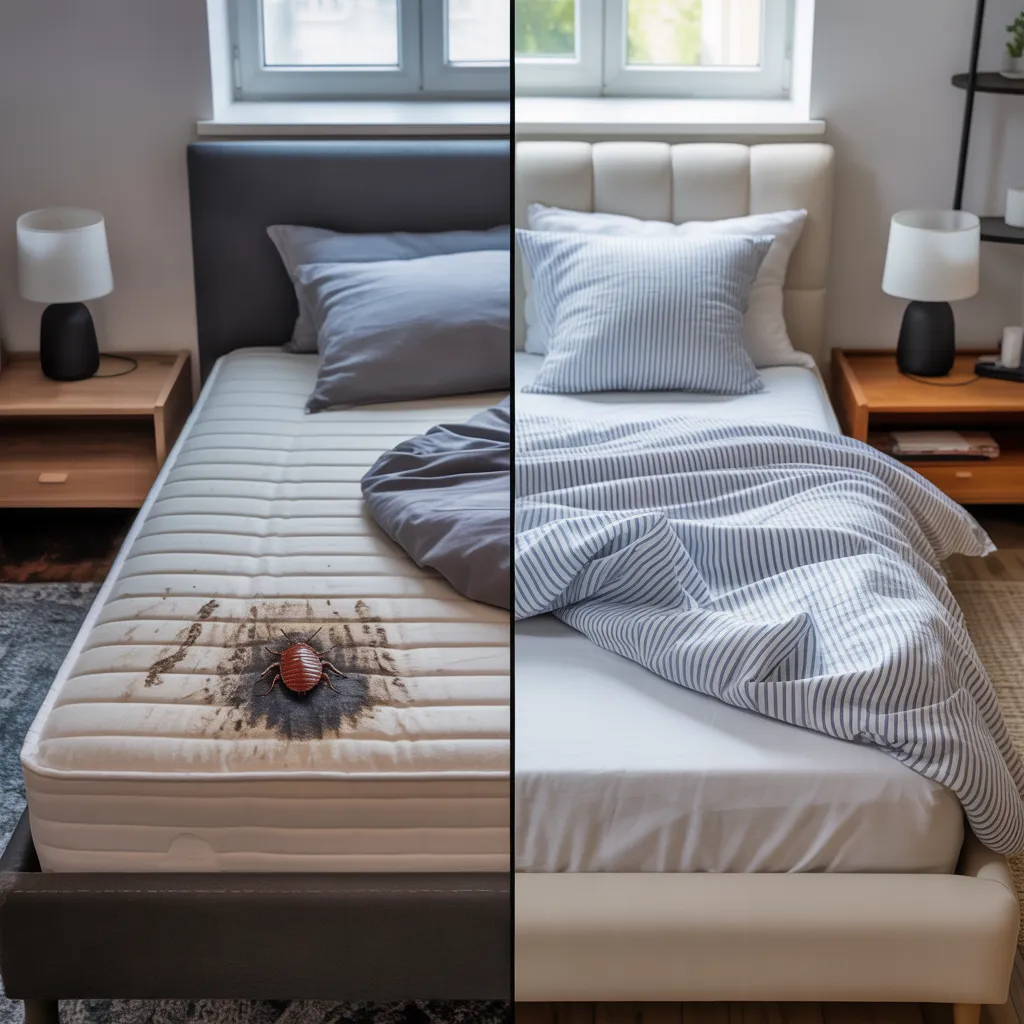
Fighting a Bed Bug Problem? Discover Heat Treatment as Your Solution
How do homeowners successfully tackle the ongoing problem of bed bugs? A growing number of homeowners are choosing heat treatment as a trusted solution. This technique works by raising the temperature of infested areas to levels fatal for bed bugs, addressing all life stages, from eggs to adults. Unlike traditional pesticides, which often leave harmful remnants and demand multiple applications, heat treatment provides a simpler and cleaner solution.
Professional pest control services regularly use purpose-built technology to guarantee uniform heat dispersal throughout the affected area. Homeowners appreciate that this method is non-toxic, making it more suitable for both people and animals. Moreover, thermal remediation frequently leads to a faster outcome, letting occupants get back to their regular schedules without delay.
Though heat treatment can be an considerable expense, its thoroughness and effectiveness make it a favored option for individuals facing persistent bed bug infestations, providing a reliable path to restoring their living spaces.
The Scientific Principles Behind Temperature and Bed Bug Elimination
Grasping the correlation between temperature and bed bug elimination is essential for understanding the effectiveness of heat treatment. Bed bugs, scientifically known as Cimex lectularius, are susceptible to temperature extremes. Studies show that exposure to temperatures above 118°F (48°C) for a continuous stretch of time can thoroughly eradicate bed bugs in every stage of development, including eggs. Conversely, temperatures below 50°F (10°C) can extend their lifespan, enabling them to reach a dormant state.
The fatal influence of heat on bed bugs stems from its effect on their biological processes. Elevated heat levels compromise cellular activity and result in dehydration, eventually leading to mortality. Furthermore, heat treatment permeates different surfaces, guaranteeing that concealed infestations are eliminated. The success of this technique is rooted in its capacity to maintain consistent heat levels across affected areas, removing the bugs without employing chemical solutions, rendering it a favored choice among pest management experts.
Why Heat Treatment Works Against Bed Bugs
Heat treatment is an exceptionally powerful approach for eliminating bed bugs due to its ability to reach temperatures lethal to all life stages of these pests. As opposed to chemical methods, which bed bugs can become resistant to, heat penetrates surfaces and eliminates infestations thoroughly. This approach disrupts the bed bug life cycle, guaranteeing that both adult bed bugs and their eggs are thoroughly addressed.
Superior High Temperature Performance
Multiple research studies have shown that high heat effectively eliminate bed bugs at every developmental stage, including all forms from eggs to adults. When exposed to temperatures exceeding 120°F (49°C), bed bugs undergo fatal physiological stress. Heat penetrates various materials and reaches hiding spots, ensuring thorough treatment. Unlike chemical methods, which may leave residues or fail due to insect resistance, thermal treatment offers a comprehensive solution that eliminates the need for dangerous take action chemicals. Additionally, the process is rapid, often requiring only a few hours to achieve effective results. This efficiency makes heat treatment a popular choice for both residential and commercial settings, as it not only removes active infestations but also lowers the chances of future reinfestations.
Bed Bug Life Cycle
The efficiency of heat-based treatment against bed bugs is directly connected to their life cycle. Bed bugs undergo several stages: egg, nymph, and adult. Eggs are particularly vulnerable, as they are unable to tolerate high temperatures. Once hatched, nymphs and adults are also susceptible; however, they can survive lower temperatures for short durations. Heat treatment raises the temperature to thresholds fatal for all life stages, disrupting their life cycle. At 118°F (48°C), bed bugs commence dying within 90 minutes, while temperatures above 122°F (50°C) can eliminate them within minutes. This comprehensive approach confirms that not only adult bed bugs are eradicated, but also their eggs and nymphs, making heat treatment a highly effective method for total elimination.
Chemical Resistance Restrictions
Numerous pest control professionals are increasingly concerned about the growing chemical resistance of bed bugs. Conventional insecticides, once reliable, are increasingly failing due to adaptive mechanisms in bed bug populations. These insects can develop resistance through genetic mutations, making it challenging for chemical treatments to completely remove infestations completely. As a result, relying solely on chemicals can result in prolonged infestations and higher costs for homeowners. In contrast, heat treatment bypasses this issue by attacking bed bugs with high temperatures that they are unable to survive. At temperatures above 120°F, bed bugs, including eggs and nymphs, are swiftly eliminated within minutes. This method not only guarantees thorough extermination but also removes the risk of resistance, making heat treatment a proven solution for bed bug infestations.
Why Heat Treatment Outperforms Chemical Solutions
Although heat treatment and chemical solutions both seek to eliminate bed bugs, heat treatment provides notable benefits that make it the favored option for many homeowners. One significant benefit is its ability to eliminate all life stages of bed bugs, including eggs, in a single session. This thorough eradication reduces the likelihood of reinfestation, a common issue with chemical treatments that may not reach all hiding spots.
Additionally, heat treatment is environmentally friendly, as it prevents the use of toxic chemicals that can create health dangers to both people and their pets. It also does away with the need for time-consuming preparations, such as clearing out bedding and personal belongings, which makes the overall process far more convenient.
Additionally, heat treatment generally leads to quicker resolution times, helping affected individuals to go back to their everyday lives in less time. Overall, the safety and effectiveness of heat treatment render it a powerful option over traditional chemical solutions in the battle against bed bugs.
Expectations During Heat Treatment
In the course of heat treatment for bed bugs, individuals can anticipate a thorough process that includes raising the temperature of the affected area. The procedure usually requires several hours, ensuring thorough penetration to exterminate pests at every stage of development. Post-treatment, significant changes in the living space, such as increased cleanliness and reduced insect populations, will be evident.
What You Can Expect During
Heat treatment for bed bugs involves a detailed and structured procedure designed to eliminate infestations effectively. Throughout this process, the treatment zone will be sealed off to retain heat, ensuring that heat levels become fatal to bed bugs across every stage of development. Homeowners can expect the removal of personal items from the treatment area, in addition to the application of specialized tools such as industrial heaters and thermal monitoring devices. Trained professionals will carefully track temperature levels, guaranteeing consistent temperature spread throughout the treated space. It is necessary for all residents to evacuate the premises for a predetermined timeframe to protect themselves from intense heat. Upon completion, a follow-up inspection may be recommended to confirm the effectiveness of the treatment and verify that no bed bugs remain.
Treatment Process Duration
What is the typical duration of a bed bug heat treatment? In most cases, the treatment can range from six to eight hours, depending on the size of the infested area and the severity of the infestation. Throughout this period, a temperature range of 120°F to 140°F is sustained to ensure the complete eradication of bed bugs at every life stage. Residents should anticipate the whole area reaching high temperatures, which might necessitate relocating delicate belongings prior to treatment. Once the treatment is complete, a cooling period will ensue, enabling the area to settle back to a safe and normal temperature. Occupants must exit the premises as advised to maintain the best possible results and ensure safety for the duration of the treatment.
Post-Treatment Environment Changes
During the heat treatment process, significant changes in the environment can be expected. Temperatures within the treated space will rise steadily, frequently peaking between 120°F and 140°F. This elevated temperature successfully eliminates bed bugs across all life stages, but it may also necessitate adjustments for the occupants. Personal items, such as electronics and sensitive materials, should be removed or protected to prevent damage. Furthermore, certain pieces of furniture may require repositioning to ensure uniform heat distribution. The process can create an uncomfortable atmosphere, leading to temporary relocation for residents. Upon completion of the treatment, a detailed inspection and cleaning are critical to ensure all remaining pests have been eradicated, reinforcing the effectiveness of the heat treatment.
Important Steps to Prepare for Heat Treatment
Getting ready for bed bug heat treatment demands meticulous planning to guarantee optimal results and safety. Property owners should commence by removing items from the treatment area, including personal belongings, clothing, and linens, to prevent damage and ascertain comprehensive heat distribution. It is essential to clean and dry these items on high heat to remove any hidden bed bugs.
Furthermore, furniture needs to be shifted away from walls to allow heat to circulate freely. Moreover, delicate electronics, plants, and perishable items should be transferred to prevent exposure to elevated temperatures. Pets must be taken to a safe environment during treatment, as they may be negatively impacted.
In conclusion, consulting with the pest control professional is vital for comprehending the personalized directions suited to your particular case. Implementing these guidelines will optimize the overall success of the heat treatment procedure, promising a residence that is entirely rid of bed bugs.
Common Questions and Answers
How Long Does It Take for Heat Treatment to Remove Bed Bugs?
Heat treatment typically takes six to eight hours to successfully eradicate bed bugs. This process requires sustaining specific temperatures for an extended period, guaranteeing that every life stage of the pests is eliminated.
Are My Belongings at Risk During Treatment?
When heat treatment is performed, the risk to belongings remains minimal. However, belongings that are sensitive to elevated temperatures, like electronic devices or particular fabric materials, could sustain damage. Taking the right precautions can effectively reduce these risks.
Can Pets Remain in the Home During Heat Treatment?
Animals should not remain in the home during heat treatment. The high temperatures may be dangerous for them, so it is best for those with pets to make arrangements for their pets to be housed elsewhere during the procedure.
Is Heat Treatment Effective on All Life Stages of Bed Bugs?
That's correct, thermal treatment thoroughly combats bed bugs at every stage of development, including eggs, nymphs, and adults. These elevated temperatures penetrate numerous concealed areas, guaranteeing complete elimination and reducing the risk of future infestations.
How Frequently Should I Plan Heat Treatments for Prevention?
Scheduling heat treatments every six to twelve months is recommended for preventive purposes. This treatment interval serves to address any potential infestations before they escalate, guaranteeing a preventive approach to sustaining a pest-free environment in homes.